 Back
Back
 26 of January of 2026
 10 min
Mallorca cultural guide 2026: essential events, spaces and experiences

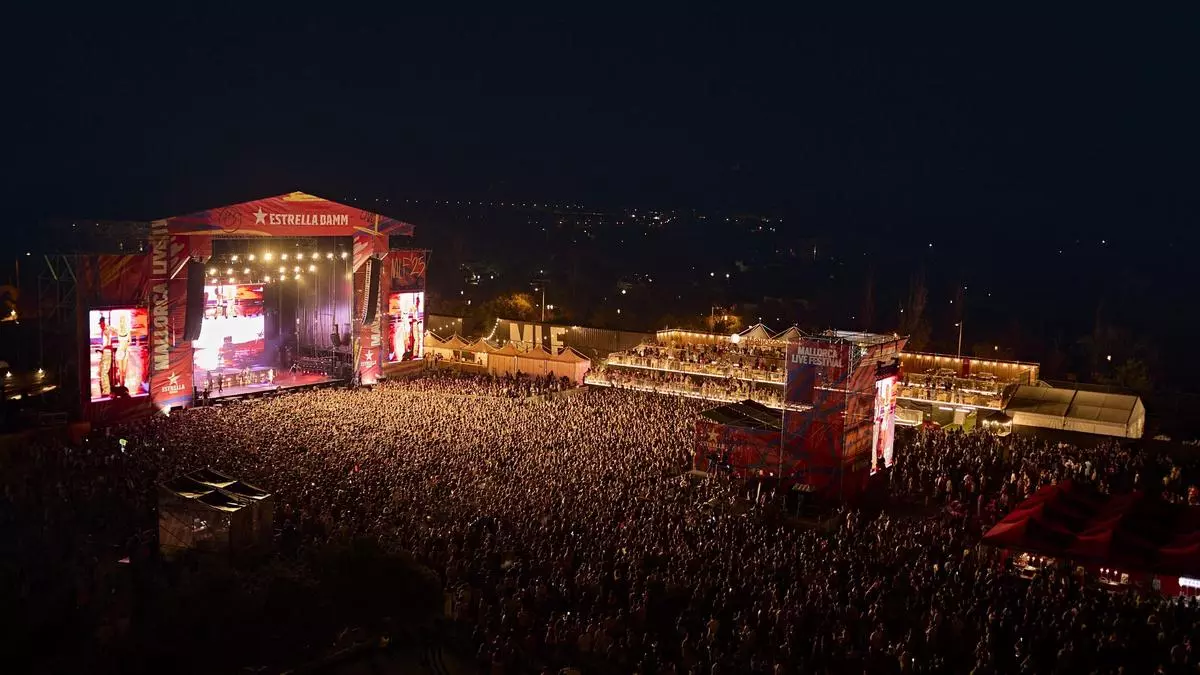
Mallorca Live Festival 2026 - June 11 to 14 in Calvià
Eclectic music event that brings together artists from different genres. Although it is not classical, it is a reference on the island's musical agenda.
Deià International Music Festival - May to September
Chamber music concerts, recitals and classical concerts in churches, estates and historic villas, combining heritage and Mediterranean landscape.
Festival Bellver - End of June to July
Classical open-air concerts at the Castell de Bellver, with orchestra, recitals and lyrical music in an incomparable historical setting.
Cap Rocat Festival - July 31 to August 2
Classical music in a natural setting by the sea, ideal for enjoying artistic quality and Mediterranean landscape.
FestMusic Mallorca - April to July
Series of classical, lyrical concerts and recitals in Palma and other municipalities, combining heritage, art and music.
Chopin Festival - July to September
Piano recitals and concerts in historical settings such as the Cartuja de Valldemossa, the Castell de Bellver and the Teatre Principal de Palma. Celebrate Chopin's legacy and offer classical music in a unique environment.
Sant Antoni Abat (January 16-17)
Celebrated in numerous towns in Mallorca, it includes bonfires, blessing of animals, “foguerons” and shows with traditional characters such as “dimonis”.
Festes de Sant Sebastià (January 20 and nearby days)
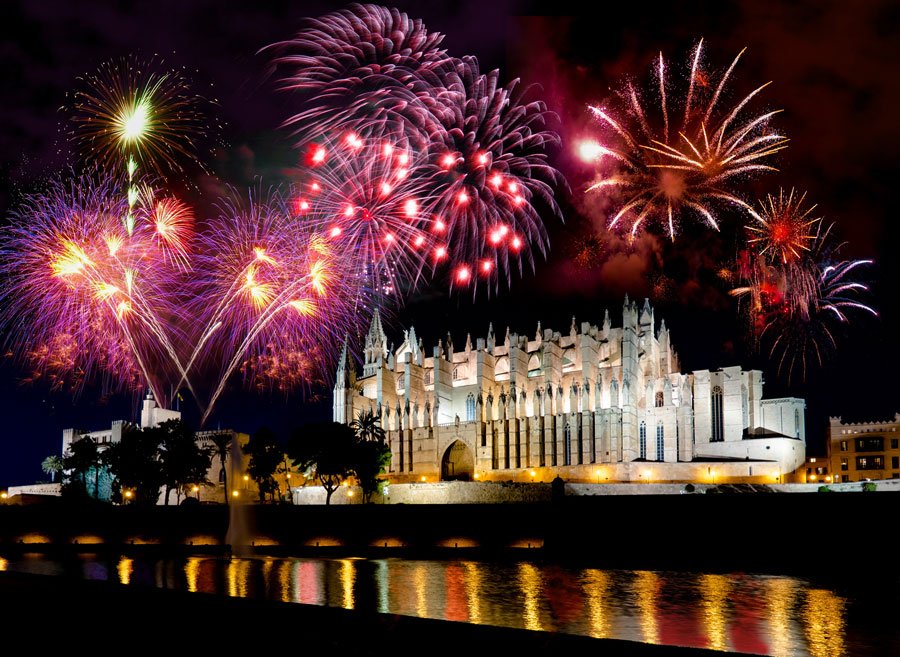
Palma celebrates its patron saint with concerts, festivals, cultural activities and fireworks in an urban festive atmosphere.
Ametler Flower Fair
Fair linked to the flowering of the almond tree, with a craft market, local products and traditional activities in different municipalities.
Mallorca Carnival
Parades, floats, costumes and music enliven the streets of Palma and several municipalities, with events for all ages.
Day of the Balearic Islands (March 1)
Cultural events, markets and celebrations that highlight the Balearic identity.
Fira Bona de Palmanyola
Agricultural and craft fair that combines tradition, gastronomy and rural heritage.
Local fairs and traditional markets
Various municipalities hold agricultural and craft fairs, ideal for discovering local products, traditional crafts and popular culture.
Opening of the town festival season
Local celebrations and cultural fairs begin, with concerts, exhibitions, gastronomy and outdoor activities.
Classical music festivals and cultural events in Palma and surrounding areas
Concert series in auditoriums and historical spaces, combining heritage and art. (See music section for more details)
Festa des Vermar (Binissalem, last weekend)
Celebration of the grape harvest with wine tastings, music, gastronomy and traditional cultural activities.
Festes de la Mare de Déu de la Salut (Palma, September 8 approx.)
Religious and popular festival, with processions and community activities.
Village fairs and festivals
Many municipalities celebrate festivals, local markets and patron saint festivities.
Agricultural and traditional fairs
Continuation of rural and trade fairs, with markets, local gastronomy and cultural activities.
Rural traditions and local fairs
Minor celebrations, community festivals and cultural activities in different municipalities.
Mallorca is much more than beaches: its history and heritage are reflected in each city, town and landscape. For those who want to immerse themselves in the cultural wealth of the island, traveling historical and heritage routes is one of the best ways to connect with their identity and discover unique corners.
1. Historical heritage of Palma
Old town of Palma: cobbled streets, stately patios, charming squares and traditional markets.
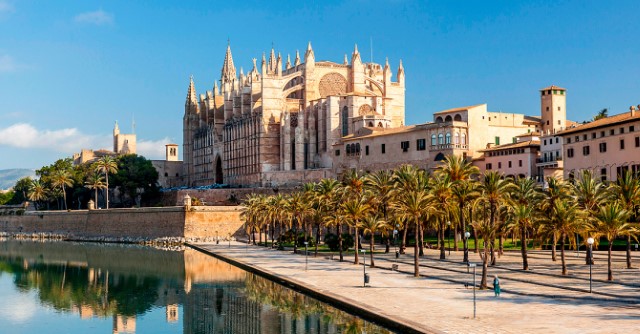
Mallorca Cathedral (La Seu): an icon of Mediterranean Gothic that combines history, architecture and art.
Palau de l’Almudaina and Arab Baths: witnesses of the Islamic and medieval history of the city.
Modernist route: buildings and facades from the early 20th century that show the influence of modernism in Palma.
2. Routes through charming towns in Mallorca
Valldemossa: cobbled streets, the famous Cartuja Monastery and literary history with Chopin and George Sand.
Sóller and Fornalutx: traditional architecture, charming squares and orchards surrounded by the Serra de Tramuntana.
Deià: coastal town known for its artistic and literary legacy, home of writers and musicians, with trails and views of the Mediterranean.
Pollença: historic center with narrow streets, the church of Nostra Senyora dels Àngels and the famous Calvari staircase.
Banyalbufar: historic agricultural terrace with vineyards and orchards, ideal for hiking trails and heritage photography.
Esporles, Alaró and Consell: inland towns that combine rural heritage, mills, traditional squares and local crafts.
Other towns of interest: Deià and Valldemossa are part of the Serra de Tramuntana, declared a World Heritage Site by UNESCO, but towns such as Mancor de la Vall or Binissalem can also be included, where wine and wineries add a unique cultural value.
3. Religious and monumental heritage in Mallorca
Mallorca has a very rich religious and monumental heritage that reflects its history from medieval times to contemporary times:
Lluc Monastery: spiritual and cultural center in the Serra de Tramuntana, with a museum and traditional activities.
Church of Sant Francesc (Palma): Gothic jewel with cloister and historic chapels.
Convent of Sant Domingo (Inca): historical architecture and temporary exhibitions.
Rural churches and hermitages: such as the Hermitage of Betlem, Sanctuary of Cura, Sanctuary of the Mare de Déu de la Victoria in Alcúdia, which allow you to discover religious tradition and popular architecture.
Palaces and stately homes: many linked to the Church and the nobility, open to the public as cultural spaces in different municipalities.
4. Estates, castles and defensive towers in Mallorca
The defensive and agricultural history of Mallorca is reflected in castles, towers and historic estates:
Castell de Bellver (Palma): Gothic fortress with panoramic views of the city and its bay, venue for exhibitions and cultural events.
Coastal castles and towers: Defense towers such as the Torre de Canyamel or the Torre de Cala Pi, which show the defensive strategy against pirates and privateers.
Historic estates: Son Marroig, Son Sureda, Sa Granja, and others, many converted into cultural spaces, museums or stages for concerts and workshops.
Windmills and irrigation ditches: industrial and agricultural heritage that is integrated into cultural routes and historical trails.
Natural heritage areas: areas such as Sa Dragonera, the Serra de Tramuntana and the cliffs of Formentor combine natural and historical heritage, ideal for cultural excursions.
Touring Mallorca through its historical and cultural heritage is a unique way to connect with the essence of the island.
From the charming towns of the Serra de Tramuntana to the castles, estates, churches and towers that narrate centuries of history, each route offers authentic experiences that combine art, architecture, nature and traditions.
For those looking to immerse themselves in Mallorcan culture, these routes not only allow you to admire the historical legacy, but also experience the island in a deeper way, discovering corners that often go unnoticed and enjoying cultural events that keep history and local creativity alive.
Mallorca is not just a sun and beach destination: it is a territory where every street, every town and every landscape tells a story that deserves to be explored and celebrated.